

In the world of livestock farming, the efficient processing of feed is crucial for ensuring the health and productivity of animals. One common question that often arises among farmers is whether a farm feed grinder can be used for grinding beet pulp. As a trusted supplier of farm feed grinders, I am here to delve into this topic and provide you with comprehensive insights.
Understanding Beet Pulp
Beet pulp is a by - product of the sugar beet industry. After sugar is extracted from sugar beets, the remaining fibrous material is dried and compressed into pulp. This pulp is a valuable source of energy, fiber, and protein for livestock. It is commonly used in the diets of horses, cattle, sheep, and other ruminants.
The physical properties of beet pulp play a significant role in determining its suitability for grinding. Beet pulp typically has a relatively high fiber content, which gives it a tough and fibrous texture. When dry, it can be quite hard and dense, making it challenging to break down into smaller particles.
Capabilities of Farm Feed Grinders
Farm feed grinders are designed to process a variety of feed materials, such as grains, hay, and other agricultural by - products. They come in different sizes and types, each with its own set of features and capabilities.
Types of Farm Feed Grinders
- Hammer Mills: These are one of the most common types of farm feed grinders. Hammer mills use a series of rotating hammers to crush and grind feed materials. They are suitable for a wide range of applications and can handle relatively tough materials. The high - speed rotation of the hammers creates a powerful impact force that can break down beet pulp into smaller particles.
- Roller Mills: Roller mills use a pair or multiple pairs of rotating rollers to crush feed materials. They are more gentle compared to hammer mills and are often used for finer grinding. However, due to the tough nature of beet pulp, roller mills may not be as effective in grinding it as hammer mills.
Advantages of Using Farm Feed Grinders for Beet Pulp
- Improved Digestibility: Grinding beet pulp can significantly improve its digestibility for animals. By breaking down the tough fibrous structure into smaller particles, the surface area of the pulp is increased, allowing for better access to enzymes in the animal's digestive system. This leads to more efficient nutrient absorption and improved animal performance.
- Customized Feed Formulation: Grinding beet pulp enables farmers to customize the particle size of the feed according to the specific needs of their animals. For example, younger animals or animals with sensitive digestive systems may require finer - ground feed, while older or larger animals can tolerate coarser particles.
- Enhanced Feed Mixing: Ground beet pulp can be more easily mixed with other feed ingredients, ensuring a more homogeneous feed ration. This is important for providing a balanced diet to livestock and preventing selective feeding.
Considerations When Using a Farm Feed Grinder for Beet Pulp
While farm feed grinders can be used for grinding beet pulp, there are several considerations that farmers need to keep in mind:
Moisture Content
Beet pulp should have the appropriate moisture content before grinding. If the pulp is too dry, it can be difficult to grind and may cause excessive wear on the grinder's components. On the other hand, if the pulp is too wet, it can clog the grinder and reduce its grinding efficiency. The ideal moisture content for grinding beet pulp is typically between 12% and 15%.
Grinding Screen Selection
The choice of grinding screen is crucial for achieving the desired particle size. A finer screen will result in smaller particles, while a coarser screen will produce larger particles. When grinding beet pulp, it is recommended to start with a coarser screen and gradually adjust to a finer screen if necessary. This can help prevent the grinder from becoming overloaded and ensure efficient grinding.


Equipment Maintenance
Regular maintenance of the farm feed grinder is essential to ensure its optimal performance. After grinding beet pulp, the grinder should be thoroughly cleaned to remove any remaining pulp and debris. This can prevent the buildup of material that can cause wear and tear on the grinder's components and reduce its lifespan.
Our Farm Feed Grinder Products
At our company, we offer a wide range of high - quality farm feed grinders to meet the diverse needs of farmers. Our grinders are designed with advanced technology and durable materials to ensure reliable and efficient operation.
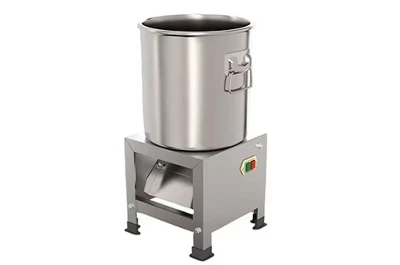
- Green Feed Processor: This innovative feed processor is specifically designed for processing green feed materials, including beet pulp. It features a powerful motor and sharp blades that can quickly and efficiently grind even tough fibrous materials.
- Multifunctional Farm Processor: As the name suggests, this processor is a versatile tool that can handle a variety of feed materials, including grains, hay, and beet pulp. It offers multiple functions, such as grinding, mixing, and chopping, making it a valuable addition to any farm.
- Animal Feed Processor: Our animal feed processor is designed to provide high - quality feed for livestock. It can effectively grind beet pulp into the desired particle size, ensuring optimal digestibility for animals.
- Household Farm Processor: This compact and easy - to - use processor is suitable for small - scale farms and households. It can grind beet pulp and other feed materials with ease, making it a practical choice for those with limited space and resources.
- Farm Feed Grinder: Our farm feed grinder is a reliable and efficient tool for processing all types of feed, including beet pulp. It is built with high - quality components and is designed to withstand the rigors of daily use on the farm.
Contact for Procurement
If you are interested in purchasing a farm feed grinder for grinding beet pulp or other feed materials, we invite you to contact us for further information and procurement discussions. Our team of experts is dedicated to providing you with the best solutions and support to meet your specific needs.
References
- National Research Council. (2007). Nutrient Requirements of Beef Cattle. The National Academies Press.
- Spörndly, N. (2003). Feed evaluation and diet formulation for ruminants. CABI Publishing.
- Van Soest, P. J. (1994). Nutritional Ecology of the Ruminant. Cornell University Press.


