


Hey there, folks! If you're in the market for a wall extractor hood, you've come to the right place. I'm a supplier of these nifty kitchen appliances, and I'm here to share some tips on how to choose the right one for your kitchen.
Size Matters
First off, let's talk about size. You gotta make sure the wall extractor hood you pick is the right fit for your stove. Measure the width of your cooktop – that's the starting point. You generally want the hood to be at least as wide as your stove, or even a bit wider. This way, it can effectively capture all the smoke, steam, and odors that come up when you're cooking.
If you have a small kitchen with a compact stove, a smaller - sized Wall Mount Stove Exhaust Fan might do the trick. But if you've got a big, professional - style range, you'll need a larger hood. A wider hood gives you a better chance of catching all the fumes before they spread around your kitchen.
CFM Rating: What's That?
Next up, we've got the CFM rating. CFM stands for Cubic Feet per Minute, and it's a measure of how much air the extractor hood can move. The higher the CFM, the more powerful the fan in the hood.
For a regular home kitchen, a CFM rating of 300 - 400 is usually okay. But if you're a serious cook who does a lot of high - heat cooking like stir - frying or deep - frying, you'll want a hood with a CFM of 600 or more. That way, it can quickly suck out all the strong odors and hot air that come with intense cooking.
Ducted or Ductless?
Now, let's discuss the choice between ducted and ductless wall extractor hoods.
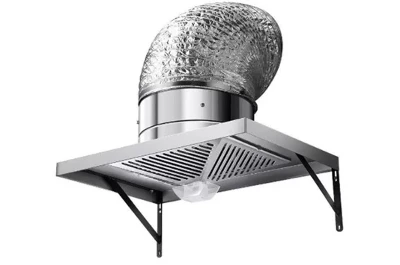
A ducted hood is connected to a duct that goes outside your house. It vents all the dirty air, smoke, and grease right out of your home. This is the better option if you can install the ductwork. It really gets rid of the pollutants for good, leaving your kitchen smelling fresh. You can check out our Kitchen Exhaust Fan Wall Mount for a great ducted option.
On the other hand, a ductless hood recirculates the air back into the kitchen after filtering it. It's a good choice if you can't install ducts, like in an apartment or an older home. But keep in mind, it doesn't actually remove the pollutants from your home completely. The filters need to be replaced regularly to keep it working well.
Noise Level
No one wants a super noisy extractor hood. It can ruin the peaceful atmosphere of your kitchen, especially when you're having a chat or listening to some music while cooking.
Look for a hood with a low sone rating. A sone is a unit that measures how loud something is. The lower the sone rating, the quieter the hood. You can usually find this information in the product specifications. A hood with a sone rating of 1 - 3 is considered quiet, while anything above 5 can be pretty noisy.


Material and Design
The material of the wall extractor hood is also important. Stainless steel is a popular choice because it's durable, easy to clean, and looks modern. It can withstand the heat and grease in the kitchen without getting damaged easily.
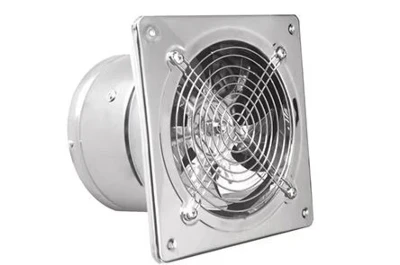
As for design, you want a hood that matches the style of your kitchen. There are sleek, minimalist designs for modern kitchens, and more traditional - looking ones for classic - style kitchens. Our Wall Mounted Cooker Extractor Fan comes in a variety of designs to suit different tastes.
Lighting
Good lighting is a must - have in the kitchen. A wall extractor hood with built - in lighting can really make a difference. It illuminates your cooktop, so you can see what you're doing clearly.
There are different types of lighting available, like LED lights. LED lights are energy - efficient and last a long time. They also give off a bright, clear light that's perfect for cooking.
Filter Type
The filter in your wall extractor hood is what traps the grease and other particles from the air. There are mainly two types of filters: mesh filters and charcoal filters.
Mesh filters are used in ducted hoods. They can be removed and washed, which is great for long - term use. You just take them out, soak them in soapy water, and give them a good scrub.
Charcoal filters are used in ductless hoods. They absorb the odors from the air. But they need to be replaced regularly, usually every few months, depending on how often you use your kitchen.
Price
Of course, price is a factor for most people. Wall extractor hoods can range from relatively inexpensive to quite pricey. You can find basic models that do the job for a lower cost, but if you want all the bells and whistles like high CFM, quiet operation, and fancy lighting, you'll have to pay more.
It's important to find a balance between your budget and the features you need. Don't just go for the cheapest option, but also don't overspend on features you won't really use.
Brand and Warranty
When you're choosing a wall extractor hood, it's a good idea to go for a well - known brand. A reputable brand usually means better quality and more reliable customer service.
Also, check the warranty. A good warranty gives you peace of mind. If something goes wrong with your hood, you know you're covered.
Installation
Finally, think about installation. Some wall extractor hoods are easier to install than others. If you're handy with tools, you might be able to install it yourself. But if you're not confident, it's best to hire a professional.
Our Wall Mounted Kitchen Extractor Fan and Wall Mounted Kitchen Extractor Hood come with detailed installation instructions, but we always recommend getting professional help if you're unsure.
So, there you have it – all the things you need to consider when choosing a wall extractor hood. If you're interested in our products or have any questions, feel free to reach out. We're here to help you find the perfect wall extractor hood for your kitchen. Let's start a conversation and get you the best deal!
References
- Kitchen Appliance Buying Guides from Consumer Reports
- Home Improvement Magazines' Kitchen Sections


