


If you’ve ever spent time maintaining a lawn, managing a small farm, or tending to a backyard garden, you know that choosing the right grass cutter isn’t just about making outdoor work easier—it’s about getting the job done well, saving time, and even protecting the health of plants or livestock that depend on clean, uniform cuts. For years, I’ve supplied grass cutting and feed processing equipment to farmers, landscapers, and home gardeners across the country, and one of the most common questions I get is: “What types of grass cutters are actually out there, and which one do I need for my specific task?”
The truth is, “grass cutter” is a broad term. It encompasses everything from small, handheld tools for residential lawns to heavy-duty industrial machines designed to process tons of forage for livestock. When you break them down by their use case, power source, and design, each type has unique strengths that make it suited for different jobs. Today, I’m walking through the most common and useful types of grass cutters I supply, plus what to consider when picking one for your needs.
Residential Handheld Grass Cutters: For Small Spaces and Light Tasks
For most homeowners with a lawn under half an acre, handheld grass cutters are the go-to option. These are the lightweight, portable tools you’d use to edge a sidewalk, trim grass around a garden bed, or tidy up spots a riding mower can’t reach. There are two main sub-types here: corded electric and battery-powered handheld trimmers.
Corded electric handheld grass cutters are affordable, low-maintenance, and perfect for small yards where an extension cord can reach. They deliver consistent power, no need to charge batteries or refill gas, and are lightweight enough for most people to use for an hour or two without fatigue. The downside? The cord limits your range—you can’t wander far from an outlet, and you have to watch out for tripping over the cord or cutting it.
Battery-powered handheld trimmers have grown drastically in quality over the last decade. Modern lithium-ion batteries run for 45 to 90 minutes on a single charge, and newer models offer enough power to cut through thick, overgrown grass just as well as gas models. They’re cordless, so you can move freely around trees, flower beds, and patios, and there’s no messy gas to store or spill. I recommend these for homeowners who prioritize convenience and want a tool that works well for 90% of their lawn maintenance.
Riding Lawn Mowers: For Medium to Large Residential Lawns
If you have a yard larger than half an acre, pushing a handheld grass cutter is impractical and time-consuming. That’s where riding lawn mowers come in. These sit-on grass cutters let you cover much more ground in a fraction of the time, making them popular for suburban homeowners, small property managers, and even hobby farmers with small pastures.
Riding mowers come in a few sub-types too. Rear-engine riding mowers, often called “garden tractors,” are the smallest and most affordable, designed for lawns up to an acre. They have a smaller cutting deck (usually 30 to 42 inches wide) and basic features like adjustable cutting heights. For lawns up to 3 acres, mid-engine riding mowers are more stable and have larger cutting decks (42 to 54 inches) for faster coverage. For larger properties, zero-turn riding mowers are the top pick—they can turn on a dime, making it easy to maneuver around trees, fences, and tight spaces, cutting mowing time by 30% or more compared to standard riding mowers.
Walk-Behind Push Mowers: A Middle Ground Between Handheld and Riding
For people with lawns between a quarter and an acre, walk-behind push mowers are a sweet spot. They’re lighter and more maneuverable than riding mowers, but faster than handheld trimmers. Push mowers come in gas, electric, and even self-propelled models. Self-propelled push mowers are especially popular—they move forward on their own, so you don’t have to push the entire weight, making them easy to use for longer yards or hilly properties.
For eco-conscious users, electric push mowers (either corded or battery-powered) produce zero emissions and are much quieter than gas models. They require less maintenance too—no oil changes, spark plugs, or air filters to replace. I’ve had many customers switch to battery-powered push mowers and never look back, especially since modern batteries can power the whole mowing job, even for a full acre.
Industrial and Agricultural Grass Cutters: For Large Farms and Pastures
When you’re dealing with multiple acres of pasture, hay fields, or need to process large quantities of grass and forage for livestock, residential mowers just won’t cut it (pun intended). That’s where heavy-duty agricultural grass cutters come in. The most common types here are rotary cutters, flail mowers, and forage choppers.


Rotary cutters, also called bush hogs, are designed to cut through thick, tall grass, weeds, and even small brush up to an inch thick. They attach to tractors and have a large, rotating blade that spins at high speed, chopping grass into large pieces. They’re perfect for clearing overgrown pastures, maintaining field edges, or cutting hay for drying. Flail mowers are similar, but instead of a single large blade, they have many small, hinged blades that swing out as the mower moves. This design cuts grass into much finer pieces, leaving a uniform finish and is less likely to kick up rocks or debris, making it safer for use around livestock or on uneven ground.
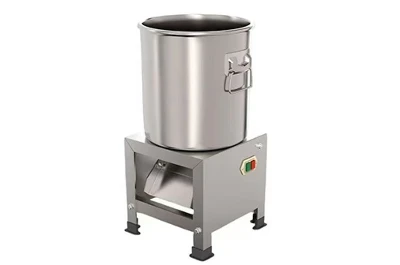
Then there’s the electric forage chopper, a specialized grass cutter I supply that’s built to process grass, hay, and other forage into small, consistent pieces ideal for livestock feed. Unlike regular mowers, which leave cut grass on the ground, a forage chopper cuts grass into lengths suitable for mixing with other feeds, storing as silage, or feeding directly to cattle, sheep, or horses. If you’re managing a farm and need to process large volumes of grass efficiently, the electric forage chopper is a game-changer—you can learn more about its features here.
Specialized Grass Cutters: Beyond General Lawn and Farm Use
Beyond residential and agricultural needs, there are specialized grass cutters designed for specific tasks, like processing feed for different types of livestock or use in commercial settings. These are tailored to produce cuts of a specific size or consistency, which is critical for animal nutrition or specific agricultural processes.
One common specialized type is the livestock feed cutter. This machine is designed to cut grass, hay, stalks, and other roughage into uniform lengths that are easy for livestock to digest. Unlike general-purpose mowers, which can leave uneven chunks, a livestock feed cutter ensures every piece is the right size, reducing waste and improving animal health. Many farmers pair these with other feed processing tools, and the livestock feed cutter I supply is built for both small hobby farms and large commercial operations. For those focusing on poultry, there’s a dedicated poultry feed cutter, which cuts grass and grains into even smaller, finer pieces that are perfect for young chicks or mature birds to eat. The smaller cut size helps poultry get more nutrients out of their feed, which supports growth and egg production.
For farms that root crops alongside grass, a root crop cutter combines grass cutting with processing carrots, potatoes, turnips, and other root vegetables into feed for livestock. This type of machine is versatile, handling both fibrous grass and dense root crops, making it ideal for mixed farms that grow a variety of feed. I also supply a vegetable feed cutter, which is designed to process garden waste, leafy greens, and surplus vegetables into nutrient-dense feed for livestock or even compost material. These specialized cutters solve a big pain point for many farmers: turning surplus vegetation into usable feed instead of wasting it.
How to Choose the Right Grass Cutter for Your Needs
After walking through the types, the next question is: which one is right for you? Here are a few key factors to consider:
- Size of the area: For lawns under half an acre, handheld trimmers or small push mowers work best. For 1 to 3 acres, a riding mower is ideal, and for larger properties or pastures, an agricultural rotary or flail mower is necessary.
- Task purpose: If you’re just maintaining a residential lawn, a standard push or riding mower is enough. If you’re processing feed for livestock, a specialized feed cutter like the livestock feed cutter or poultry feed cutter will give you the consistent cuts you need.
- Power source preferences: Electric models are low-maintenance, quiet, and emission-free, while gas models offer longer run times for large areas without easy access to electricity. Battery-powered models have gotten so good that many people now choose them for both residential and small agricultural use.
- Specialized needs: If you’re dealing with mixed feed crops or need to process both grass and root vegetables, a versatile machine like the root crop cutter can save you from buying multiple tools.
I’ve worked with countless customers over the years, and the most common mistake is buying a tool that’s too small or too large for their needs. A homeowner with a 1-acre yard doesn’t need a $5,000 zero-turn mower, just as a hobby farmer with 5 acres of pasture won’t get the job done with a handheld trimmer.
If you’re not sure which grass cutter is right for you, I’m here to help. I supply all the types I’ve mentioned, from residential push mowers to specialized feed processing tools, with detailed guidance on use, maintenance, and which models fit your specific tasks. Whether you need an electric forage chopper for your farm, a poultry feed cutter for your backyard poultry setup, or a basic push mower for your lawn, I can walk you through the options. To learn more or discuss your needs, reach out to my team to get tailored recommendations and pricing.
References
- American Society of Agricultural and Biological Engineers. (2021). Standard for Agricultural Machinery: Grass Cutting and Forage Processing Equipment. ASABE Publishing.
- Lawn Institute. (2022). Choosing the Right Lawn Mower for Your Yard Size and Needs. Lawn Industry Annual Report.
- Livestock Nutrition Council. (2023). The Impact of Feed Particle Size on Ruminant and Poultry Health. National Agricultural Research Journal.
- U.S. Environmental Protection Agency. (2022). Emissions from Lawn and Garden Equipment: Update on Electric vs. Gas Powered Tools. EPA Office of Air and Radiation.


