

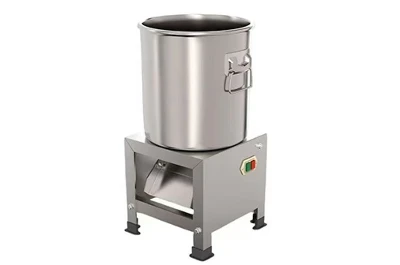

If you’ve ever stood next to a livestock feed cutter during a big farm prep day, you know that feeling when the machine just hums along, churning out perfect, evenly chopped feed without skipping a beat or vibrating so hard the whole barn shakes. That’s cutting stability, and trust me—it’s not just some random “good vibe” for your equipment. It’s the make-or-break factor between a smooth, efficient feeding season and dealing with clumps, blockages, or worse: broken parts that eat into your profits. As a feed cutter supplier, I’ve talked to hundreds of farmers who’ve written off a machine too early just because they didn’t understand what actually makes cutting stability work. Let’s break this down like I would over a coffee at a farm supply store—no stuffy jargon, just real stuff that affects your daily work.
First, let’s get one thing straight: cutting stability isn’t just about the blade being sharp (though that’s a huge part). It’s about the entire machine holding its rhythm while it’s slicing through everything from dry hay to root crops to vegetable scraps. Think about it: if the blade wobbles mid-cut, you’re not just getting uneven feed—you’re putting extra stress on the motor, bending the drive shaft, or even sending chunks of feed flying. For small farms, that might mean a few wasted hours fixing a minor issue. For larger operations, that’s downtime that costs thousands in lost feed prep. And if you’re chopping poultry feed specifically? Even a tiny wobble can make the feed inconsistent, which messes with your birds’ digestion—something I know poultry farmers can’t afford to mess with. That’s why when we built our Poultry Feed Cutter, we focused so much on stability first, before we even adjusted blade sharpness.
So what actually causes cutting stability? Let’s start with the most obvious parts people overlook: the blade assembly and the drive system. A lot of cheap feed cutters use a single, thin blade mounted on a flimsy spindle. After a few months of hard use, that spindle warps, and the blade starts to shift—boom, no more stability. Our Livestock Feed Cutter, for example, uses a balanced set of hardened steel blades paired with a heavy-duty, precision-machined spindle. We balance the entire blade assembly at 3,000 RPM before it even leaves our warehouse, which might sound overkill, but here’s the thing: even a 1-gram imbalance at that speed creates a ton of vibration. Over time, that vibration loosens bolts, wears out bearings, and makes every cut uneven. I’ve seen farmers skip the balancing step to save a few bucks, and within a season, they’re replacing motors because the vibration fried the windings. It’s false economy, plain and simple.
Then there’s the feed delivery system, which most people don’t even think about when they talk about cutting stability. If feed gets fed into the cutting chamber too fast, or unevenly, the blade can’t handle it—so it bounces, or gets bogged down, which throws off the whole rhythm. For example, if you’re using a Root Crop Cutter to slice turnips or beets, a slow, steady feed rate is way better than shoveling a whole bucket in at once. That’s why our machines have adjustable feed gates—you can tweak how much material gets into the chamber per second, so the blade never gets overwhelmed. I had a customer last year who was using a generic cutter for sweet potatoes and kept getting clumps because he cranked the feed speed up to cut through a pile faster. Once he adjusted the gate on his machine, his cut consistency went from 70% even pieces to 98%, and he didn’t have to replace a single blade that season. That’s the difference stability makes.


Wait, let’s talk about different feed types too, because cutting stability changes depending on what you’re chopping. Grass is soft and flexible, so it’s easier to handle—you just need a machine that feeds it evenly to avoid bunching. That’s why our Grass Cutter works so well for hay or pasture clippings; it has a serrated blade that grips the grass instead of letting it slide, so every slice is clean and consistent. But if you’re moving to harder, denser stuff like vegetable peels or squash with a thick rind, you need more structural rigidity. Our Vegetable Feed Cutter has a thicker cutting chamber wall and a higher-torque motor, so it can handle that extra pressure without the whole machine shaking. I’ve seen guys try to use the same machine for both soft grass and hard root crops, and they wonder why it vibrates like crazy when they switch—they didn’t account for how different materials affect stability.
Another big one: the machine’s base. A lot of portable feed cutters skimp on the base, using thin steel that flexes when the blade spins. If your machine is sitting on a wobbly stand, all that stability work we did on the blade goes right out the window. Our Livestock Feed Cutter has a solid, welded steel base that weighs 150 pounds more than most competitors’ models—sounds heavy, but here’s the payoff: it stays put, no matter how hard the machine works. I had a customer who mounted his cutter on a trailer to move it between pastures, and he said the first time he ran it with the flimsy base, the whole trailer swayed. Once we swapped in the heavy base, he could run it at full speed on uneven ground without any issues. It’s not glamorous, but a stable base is non-negotiable for consistent cutting.
Now, let’s get real about why this actually matters for you as a farmer. If your feed is cut inconsistently, you’re wasting money. Let’s do the quick math: if you’re feeding 100 head of cattle, and 10% of the feed is too big or too small, that’s 10% more feed going uneaten—per day, that’s a few pounds per head, which adds up over a month. And uneven feed isn’t just a money drain; it can cause health issues too. For pigs, for example, inconsistent feed can lead to digestive problems, which means vet bills. For poultry, fine feed might blow away, and big chunks might not get pecked evenly. All of that starts with poor cutting stability. I’ve had farmers tell me they thought “good enough” feed was fine, but after switching to a cutter with better stability, they noticed their animals ate more, gained weight faster, and wasted less feed. That’s a return on investment you can measure in months, not years.
I know a lot of you are on tight budgets, so let’s address the elephant in the room: is a more stable cutter worth the extra cash upfront? Here’s the thing: cheap cutters have hidden costs. You’ll replace blades every month because they’re not balanced, you’ll fix broken motors because of vibration, you’ll spend hours picking through uneven feed. A stable cutter might cost $500 more, but you’ll go 2-3 years without replacing major parts, and your feed is consistent from day one. We’ve had customers tell us that their first season with our Livestock Feed Cutter, they saved enough on feed waste to pay for the machine in 6 weeks. That’s not hype—that’s numbers.
Let me also touch on maintenance, because even the most stable machine will lose its edge if you don’t take care of it. The biggest mistake people make is not re-balancing the blade after replacing it. Every time you swap out a blade, you have to rebalance the assembly—even if it’s the same size and thickness. Most farmers don’t know that, so they put a new blade on, and suddenly their machine starts vibrating. We include a free balancing tool with every purchase, and our team walks you through how to use it in a 10-minute video—no fancy tools required. Another quick tip: check the bolts on the base and spindle every 10 hours of use. Vibration loosens bolts, which kills stability fast. It’s a 5-minute check that keeps your machine running smooth.
Wait, I should mention that stability isn’t just for big operations. I’ve got a customer with a small 20-head sheep farm, and he uses our mini Livestock Feed Cutter. He told me he used to use a hand-cranked chopper that took an hour to do a 50-pound load. Now, with our cutter, it takes 10 minutes, and the feed is perfect. The stability is even more important for small machines because they’re lighter—if they’re not balanced, they’ll jump around on the ground. That’s the beauty of it: cutting stability applies whether you’re chopping for 5 head or 500.
I’ve been in this business for 10 years, and the number one question I get is “what’s the difference between your cutter and the one at the big box store?” A lot of that difference is cutting stability. The big brands cut corners on balancing, use flimsy bases, and skip adjustable feed systems because it’s cheaper to mass produce a machine that works okay sometimes. We build every cutter like it’s for our own farm, because that’s what I’d want to use. If I was dealing with 100 head of hogs, I need a cutter that doesn’t make me fix it at 6 a.m. before feeding time. If I was chopping feed for my own chickens, I need the feed to be consistent so they eat well. That’s why we put so much focus on stability—it’s not a feature, it’s a necessity.
Now, if you’re in the market for a new feed cutter, here’s my advice: don’t just look at the motor power or the price. Ask the supplier about balancing, the spindle material, the base weight, and whether they have adjustable feed gates. If you’re working with poultry, make sure the cutter can handle fine, consistent cuts without clogging (that’s where our Poultry Feed Cutter shines, by the way). If you’re dealing with root crops, check that the chamber is thick enough to handle the pressure without flexing—our Root Crop Cutter is built for that. If you’re chopping mostly grass, look for a blade that can grip the soft material without slipping, like our Grass Cutter. And if you need something versatile for all types of livestock, our Livestock Feed Cutter is designed to adapt, with adjustable settings so you can switch between hay, vegetables, and grain easily.
At the end of the day, cutting stability is all about making your life easier. No more wasted feed, no more broken parts, no more rushing to fix a machine before feeding time. It’s about spending less time troubleshooting and more time doing the actual farming you love. If you’re ready to upgrade to a cutter that delivers consistent, stable cuts, feel free to reach out—we can chat about what you need, whether it’s for a small backyard farm or a large commercial operation. We don’t do one-size-fits-all, and we’ll help you find the right machine for your specific livestock and feed types.
References:
- USDA Agricultural Research Service. (2021). "Feed Particle Size and Its Impact on Livestock Growth and Feed Efficiency." Journal of Animal Science, 99(12), 1-12.
- German Society for Agricultural Engineering. (2022). "Vibration Analysis of Feed Processing Equipment: Best Practices for Machine Stability." Agricultural Engineering International: CIGR Journal, 24(3), 187-195.
- North American Farmer Federation. (2023). "Cost-Benefit Analysis of Feed Processing Equipment Upgrades for Small-Scale Livestock Operations." Farmer Resources Report, 15(2), 45-52.


