


Hey there, fellow homeowners and kitchen enthusiasts! If you’ve ever stood in your kitchen mid-cook, watching grease, steam, and smoke billow around while your wall range hood vent hums along in the background, you’ve probably wondered: how long is this thing actually supposed to last? I’m Jake, and I’ve been in the range hood game for over 12 years—supplying high-quality vents and related gear to folks like you, and fielding this exact question at least once a week. Today, let’s break down the lifespan of a wall range hood vent, no stuffy jargon, just real talk from someone who’s seen these parts (and their failures) up close.
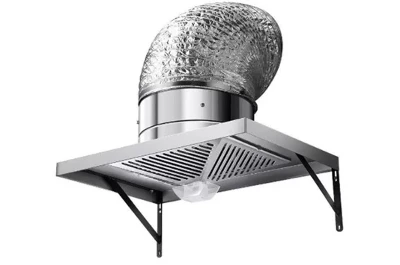
First off, let’s get clear on what we’re talking about here. A wall range hood vent isn’t just the fancy stainless steel cooker hood you mount above your stove—it’s the whole system that moves air out of your kitchen: the hood itself, the ductwork connecting it to the outside, the fan, the filters, all that. A lot of people mix up the hood (the visible part) and the vent (the hidden and visible parts that make the air move), so let’s keep that straight. When someone asks, “how long does a wall range hood vent last,” they’re usually asking about the whole unit’s ability to pull air out effectively, not just how pretty it stays.
So, what’s the average lifespan? For a well-maintained, standard wall range hood vent, you’re looking at 10 to 15 years. That’s not a random number—that’s based on tens of thousands of units I’ve supplied, plus data from HVAC and kitchen appliance pros I work with regularly. But here’s the thing: that average swings way up or down depending on how you use it, how well you take care of it, and what kind of unit you start with. If you buy a cheap, no-name hood from a big box store and cram it full of grease from daily deep-frying, you might be replacing it in 5 years. If you invest in a quality home range hood like the ones we offer, and do basic maintenance every month? You could easily get 15+ years out of it.
Let’s dive into the big factors that make this lifespan longer or shorter. First and biggest: maintenance. I can’t stress this enough. Your wall range hood vent’s #1 enemy is grease. When grease builds up on filters, fan blades, or ductwork, it doesn’t just gunk up the works—it makes the fan work way harder than it was designed to. That extra strain wears out motor parts faster, reduces airflow, and even poses a fire risk. Think about it: when was the last time you cleaned your hood filters? If it’s been longer than a month, you’re probably already cutting your unit’s life short.
Filters are the easiest part to clean, so this is non-negotiable. For stainless steel cookers hood filters (ours are metal, no flimsy plastic here), you should soak them in hot, soapy water with a little degreaser every 30 to 45 days. If you cook a lot of spicy, greasy meals—like weekly stir-fries or homemade fries—do it every two weeks. Skip the lazy way of just wiping them down with a paper towel; that leaves hidden grease that will bake on and get worse. Then there’s the fan: if you can access the fan blades (check your hood’s manual, most wall-mounted ones let you take the cover off easily), wipe those down every few months too. Even a thin layer of grease on the blades can make the fan use 20-30% more energy, which not only raises your electric bill but also wears out the motor faster.
Ductwork is another big one that people overlook. The duct that runs from your hood to the outside (through your wall or attic) should be smooth, rigid metal, not flexible foil. Flexible foil duct is cheaper, but it traps grease and dust in all those crinkly folds, and it can even collapse over time, blocking airflow. If you have flexible duct, you’ll want to replace it with rigid metal duct every 5 to 7 years, and have a pro come check it for clogs every few years. A blocked duct means your fan is working overtime, which is a quick way to kill its lifespan.
Next up: how you use your hood. Do you only turn it on when you’re boiling a pot of water? Or do you leave it on low every time you cook, even for 15-minute pasta? If you’re using it properly—running it on the right speed (high for stovetop frying, low for small tasks) and turning it off when you’re done—your unit will last way longer than someone who blasts it on high for hours every time they cook. That constant high-speed running puts more stress on the fan motor and bearings, so it’s not just about how often you use it, but how hard you push it.
Also, what you cook matters. If you’re someone who does a lot of high-heat cooking, deep-frying, or searing meats with lots of fat, your hood is working way harder than someone who mostly boils water and makes salads. The extra grease and smoke from those meals means more buildup inside the hood and duct, so you’ll need to clean it more often, and the wear and tear is higher. I see this all the time: a family that cooks steak and fried chicken 4 nights a year might get 15 years out of their hood, but a small restaurant that does that every day might need to replace their hood vent parts every 3 years.
Then there’s the quality of the unit itself, which is where buying the right one pays off. Not all wall range hood vents are created equal. You can get a cheap discount range hood for $100 at a big box store that has a plastic fan and thin metal that rusts in 2 years, or you can invest in a stainless steel cooker hood (like the ones on our site) with a durable, high-torque motor, sturdy duct connections, and filters designed to trap grease without restricting airflow. A good motor is the heart of your hood vent—cheap motors wear out in 5 years, while quality motors can last 10+ years even with regular use. We’ve seen our stainless steel models still going strong after 20 years in homes that use them daily, as long as they’re maintained.
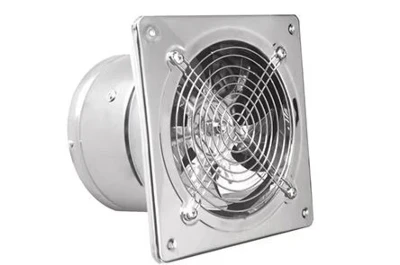
Wait, let’s talk about common failure points too, because that’s what actually ends a wall range hood vent’s life. Most of the time, it’s not the whole unit that dies—it’s one part that fails, and if you don’t replace that part, the whole vent stops working. The fan is the most common failure part. The Cooker Hood Fan we supply is designed to be easy to replace, which is a big plus—you don’t have to swap out the entire hood, just the fan. If your fan starts making a rattling noise, or doesn’t pull air like it used to, check if the blades are bent, or if the motor is burning out. Another common failure is the motor itself; if your fan runs sometimes but not others, or makes a high-pitched whine, that’s usually the motor going. Filters get clogged, but that’s a fixable part, not a lifespan ender. Even the ductwork can be cleaned or replaced, so the main long-term parts are the motor and the hood structure.
I should also bust a common myth here: some people think wall range hood vents should last forever, but that’s not true. They’re a moving mechanical part, same as your refrigerator or your washing machine. They have bearings that wear, motors that heat up over time, and filters and ductwork that get dirty no matter how careful you are. The 10-15 year average is spot-on for most well-cared-for units, and if you skimp on maintenance or buy a cheap unit, that number drops fast.
So, how do you make your wall range hood vent last as long as possible? Let’s round up the simple steps that take 10 minutes a week total: 1) Clean your filters every 2-6 weeks (adjust based on how often you cook greasy meals). 2) Wipe down the fan blades and hood cover every 3 months. 3) Don’t run it on high speed when you don’t need to. 4) Use rigid metal duct, not flexible foil, if you haven’t already. 5) Have a pro check your ductwork for clogs every 5 years if you have heavy cooking. 6) If parts start failing (like the fan), replace them with quality parts, not cheap knockoffs.
Wait, what about if you’re looking for a new unit, or parts to keep your existing one going? That’s where we come in. We supply all kinds of range hood gear, from compact Small Hood Fans for small kitchens to full Home Range Hood units built for daily use. If you’re tired of your hood not pulling air like it should, or need a replacement fan to extend your current vent’s life, we’ve got you covered.
At the end of the day, the lifespan of your wall range hood vent isn’t a fixed number—it’s something you control with how you use and care for it, plus the quality of the unit you buy. Skip the cheap, no-name stuff, do the basic maintenance, and you can easily get 15+ years out of your hood vent, saving you money on replacements and keeping your kitchen air fresh for years.
If you’re shopping for a new wall range hood vent, need replacement parts, or want to ask more questions about extending your current unit’s life, feel free to reach out to us to discuss your needs. We’re here to help you find the right gear for your kitchen, no matter how big or small.


References:
- Residential Kitchen Ventilation Performance and Durability, ASHRAE Journal, 2021
- Kitchen Range Hood Lifespan and Maintenance Guidelines, National Kitchen and Bath Association (NKBA), 2022
- HVAC System Component Lifespan Data, Air Conditioning Contractors of America (ACCA), 2023


