

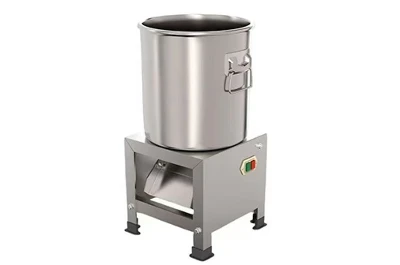

Alright, folks! As a supplier of Poultry Feed Cutters, I often get asked about the noise level of these machines. It's a crucial question, especially if you're planning to use the cutter in a shared or residential area. So, let's dive right into it and figure out what the noise level of a poultry feed cutter typically is.


First off, it's important to understand that the noise level of a poultry feed cutter can vary depending on several factors. The type of cutter, its power source, and the material it's processing all play a role in how loud it will be.
Let's start with the different types of feed cutters. I'll briefly mention our related products here, just so you know your options. We have the Electric Forage Chopper, which is great for cutting various forages. There's also the Grass Cutter, for when you mainly need to cut grass. If you're dealing with livestock feed in general, the Livestock Feed Cutter is a solid choice. And for root crops and vegetables, we've got the Root Crop Cutter and Vegetable Feed Cutter respectively.
Now, back to the noise. Electric cutters tend to be a bit quieter compared to those powered by gasoline engines. Electric motors are usually more refined in their operation and produce less noise. On average, an electric poultry feed cutter might have a noise level ranging from 70 to 80 decibels (dB). To put that in perspective, normal conversation is around 60 dB, so an electric cutter is a bit louder but still within a tolerable range.
Gasoline-powered cutters, on the other hand, can be quite noisy. They can reach noise levels of 85 dB or even higher. This is because the internal combustion engines in these machines generate a lot of noise during the combustion process. If you're in a rural area with more space and less concern about noise, a gasoline-powered cutter might be okay. But if you're close to neighbors or in a more populated area, the noise could be a real issue.
Another factor that affects noise is the material being cut. Softer materials like grass and some vegetables usually don't cause the cutter to work as hard, resulting in less noise. When you're cutting tougher materials such as root crops, the blades have to exert more force, and this can lead to an increase in noise.
The design of the cutter also matters. Some cutters are built with noise-reducing features. For example, they might have better insulation around the motor or a more aerodynamic design that reduces wind noise. These features can make a significant difference in the overall noise level.
If you're worried about the noise, there are a few things you can do. First, choose a cutter with a lower noise rating. Look for models that are specifically advertised as being quiet. Second, you can use noise-reducing equipment like earplugs or earmuffs when operating the cutter. This is a simple but effective way to protect your hearing.
Now, you might be wondering how we test the noise level of our poultry feed cutters. We use professional sound level meters to measure the noise at a standard distance from the machine. This gives us an accurate reading of how loud the cutter will be in a real-world situation.
In addition to the noise level, there are other important factors to consider when buying a poultry feed cutter. You need to think about the cutting capacity, the durability of the machine, and of course, the price. But the noise level is definitely a key consideration, especially if you're going to be using the cutter regularly.
If you're in the market for a poultry feed cutter and want to learn more about the noise levels of our products or any other features, don't hesitate to reach out. We're here to help you make the best choice for your needs. Whether you're a small-scale poultry farmer or running a large commercial operation, we've got the right cutter for you.
Contact us to discuss your requirements and get a quote. We can provide you with detailed information about each product, including the noise level, so you can make an informed decision. Let's start a conversation and find the perfect poultry feed cutter for your farm.
References
- General knowledge of poultry feed cutter technology and noise measurement standards.


