

As modern kitchens place increasing importance on air quality and appliance performance, range hoods have become essential ventilation equipment in both residential and commercial environments. To maintain efficient smoke extraction and long-term stable operation, establishing a proper maintenance schedule is extremely important. For international buyers and end users, a well-planned maintenance routine not only extends product lifespan but also reduces future repair costs.
Daily surface cleaning is the most basic maintenance task. Since kitchen environments contain grease and smoke, it is recommended to wipe the exterior surface of the range hood weekly to remove oil and dust buildup, helping maintain cleanliness and prevent long-term grease accumulation.
Filters are among the components that require the most frequent maintenance. In residential kitchens, metal filters should generally be cleaned every one to two months. In commercial kitchens with heavy usage, filters may require deep cleaning every week. Regular cleaning helps maintain proper airflow and prevents suction performance from decreasing.
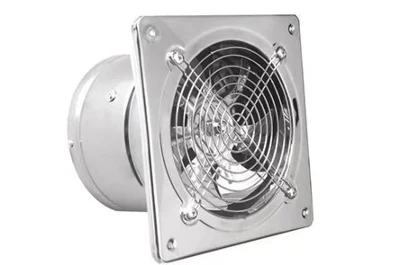
Fan blades and internal airflow channels should be inspected and cleaned every three to six months. Long-term grease accumulation increases fan resistance, reduces ventilation efficiency, and raises operating noise. Routine maintenance helps maintain stable performance while reducing motor wear.
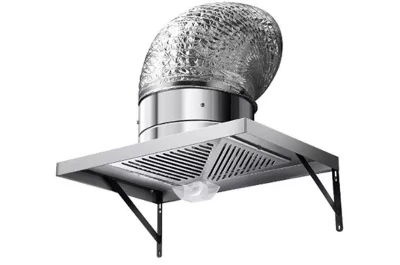
The maintenance cycle for exhaust ducts depends largely on usage frequency. Residential kitchens may require inspection every six months to one year, while commercial kitchens often need professional duct cleaning every three months due to heavy grease accumulation, helping prevent blockages and safety risks.
The motor system is one of the most important components of a range hood and should be thoroughly inspected annually. Key inspection points include motor operating condition, electrical connections, and fan balance. For commercial units operating under heavy loads, regular professional maintenance can significantly extend service life.
Even for range hoods equipped with automatic cleaning systems, users should regularly check whether the cleaning function is operating properly to ensure continuous grease removal efficiency.
In environments with high temperatures, high humidity, or heavy grease exposure, maintenance intervals should be shortened to keep the equipment operating at peak performance. Scientific maintenance schedules not only improve ventilation efficiency but also reduce energy consumption and minimize equipment failure rates.
With the development of smart technologies, many modern range hoods now include maintenance reminders and operational monitoring systems that automatically notify users when cleaning or servicing is needed, improving equipment management efficiency.


