


Hey there, fellow farmers and ag gear heads! If you’ve ever found yourself staring at a mounds of frozen crop residues, spoiled silage, or winter prunings in the middle of a cold snap, you’ve probably wondered: can a farm waste shredder even work when the temperature’s dropping below freezing? As a supplier of farm waste shredders (link: Farm Waste Shredder), I get this question a lot from folks pushing through winter farm chores. Let’s break this down with real, on-farm experience and hard science—no vague claims here.
First off, let’s set the scene. Winter farm work doesn’t stop just because the thermometer dips. You’ve got to clean out old hay bales that turned icy after a frost, process spoiled feed that’s rock solid, chip woody prunings from fruit trees before spring, and manage manure that’s frozen into chunks. A shredder seems like the perfect tool for cutting through all that, but cold weather throws a wrench in the works—literally. Let’s start with the basics: how cold affects the machine and the materials it’s handling.
The biggest issue most people run into is material brittleness. When organic matter (like crop stalks, hay, or wood) freezes, its cells rupture and the structure turns brittle. That sounds like a good thing for shredding, right? Wait, not exactly. While brittle materials break easier, they can also become harder in a way that’s worse for the machine’s blades. Think about it: a frozen corn stalk is rigid, but if it’s packed with ice, it’s like hitting tiny ice crystals mixed with woody fibers. That’s way tougher on blades than dry, unfrozen stalks. Then there’s the machine itself: cold temperatures can thicken lubricants, make metal parts contract, and even cause electrical components (if you’re running an electric shredder) to act wonky if they’re not insulated.
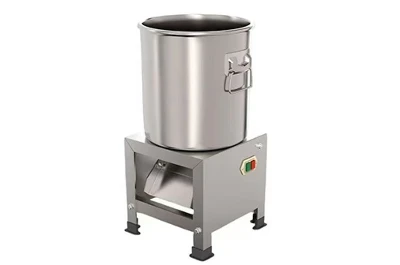
But here’s the thing—this doesn’t mean your farm waste shredder is off limits when it’s cold. It just means you have to adjust how you use it. Let’s talk about the materials first, because not all farm waste is the same in winter. For example, if you’re dealing with wet, frozen feed (like spoiled silage that’s turned into a block), a Wet Feed Shredder (link: Wet Feed Shredder) is designed to handle high-moisture, icy materials without clogging. I’ve seen customers use these through -10°F weather, but they’ve got to keep a close eye on blade sharpness. Dull blades will just bounce off frozen material instead of cutting it, so sharpening or replacing blades before winter is non-negotiable. Then there’s dry forage—if you’re shredding old dry hay that’s frozen, a Dry Forage Shredder (link: Dry Forage Shredder) works here because dry frozen forage is brittle and breaks cleanly. Just don’t overload the hopper; dry material can get dusty in cold air, which is a small fire risk if you’re running gas-powered machines.
Fruit and veg waste in winter is another big one. Farmers who grow apples, carrots, or squash have tons of spoiled or cull produce this time of year. A Fruit and Veg Shredder (link: Fruit and Veg Shredder) can handle frozen veggies, but you might notice it takes a little longer. The key here is to feed the material slowly—cramming too many frozen veggies at once can jam the mechanism, especially if the blades are a bit dull. I always tell customers to take 10 to 15 minutes to clear any built-up frozen material from the shredder every hour. Otherwise, ice can accumulate between the rotor and the housing, and before you know it, you’re stuck with a $500 fix instead of a quick chore.
Now, let’s get into machine maintenance for cold weather. This is where a lot of people drop the ball. When it’s cold, your shredder’s engine (if it’s a gas model) might struggle to start. Make sure you’re using the right oil—winter-grade synthetic oil is a must. Regular oil gets too thick in cold temps, so switching to synthetic will keep the engine running smooth. For electric models, if you’re running it in an unheated shed, wrap the motor in an insulated blanket to keep it from seizing up. Also, check the lubrication points on the shredder’s gears and bearings. Cold air can dry out grease, so adding a little extra (but not too much—you don’t want it gunking up works) before each use will prevent wear.
Wait, what about when it’s really freezing—like below 20°F? Is it still okay to run a shredder then? From what I’ve seen, it’s possible, but you might get less output. The machine has to work harder to cut through dense, icy material, so don’t expect the same speed as a mild autumn day. Some customers will even warm up the material a tiny bit first—like dragging frozen hay bales into a heated barn for 30 minutes before shredding. That takes the edge off the ice, makes the material a little more flexible, and reduces the strain on the blades. It’s a trade-off: you spend a little time prepping, but you save time on blade replacements later.
Another common myth: cold weather will damage the shredder long-term. If you’re properly maintaining it, it won’t. I’ve had customers use the same farm waste shredder for 12+ years through every winter, as long as they do the basics. The big no-nos are running a clogged shredder, using the wrong oil, or storing it outside without covering it. Ice can get into the engine’s vents, leading to rust, and frozen material left in the hopper can expand and crack the housing. So when you’re done for the day, clean the shredder thoroughly—even if it’s cold, grab a brush and chip out any leftover material, then cover it with a tarp.
Let me share a real story from a customer of mine last winter. Tom runs a 200-acre grain and orchard farm in Minnesota, where temps regularly hit -15°F. He tried using a regular farm waste shredder to process frozen corn stalks and apple prunings last January. The first day, he burned through two sets of blades and jammed the machine three times. He called me frustrated, so I suggested switching to his Wet Feed Shredder (which he’d only used for summer silage) and doing some small tweaks. He sharpened the blades, switched to winter oil, and started prepping prunings by leaving them in his tractor cab overnight. The next month, he was running the shredder smoothly, processing 1.5 tons of waste a day without any major issues. Now he says it’s his go-to winter tool. That’s the kind of feedback I live for—proving it works if you do it right.
So to wrap this up: yes, a farm waste shredder absolutely can be used in cold weather, but it’s not set-it-and-forget-it. It requires a little extra prep, the right model for your materials (whether that’s Wet Feed Shredder, Multifunctional Feed Shredder (link: Multifunctional Feed Shredder) that handles everything), and consistent maintenance. The benefits are huge—managing farm waste in winter means less spring cleanup, better nutrient management for your fields, and even getting a head start on composting (shredded frozen material breaks down faster when spring comes).
If you’re still on the fence about whether your current shredder can handle cold weather, or you’re looking to upgrade to a model built for winter use, don’t hesitate to reach out. We’ve got machines designed specifically to tackle frozen organic materials, with insulated components and heavy-duty blades that stand up to ice and brittle plant matter. Whether you’re shredding cull fruit, frozen crop residues, or woody prunings, we can help you find the right fit. Contact our team today to chat through your winter farm waste needs and get a recommendation tailored to your operation.


References
- University of Minnesota Extension. (2022). Winter Equipment Maintenance for Small Farms: Cold Weather Challenges and Solutions.
- American Society of Agricultural and Biological Engineers. (2021). Performance of Feed Processing Equipment Under Low-Temperature Conditions.
- Farm Equipment Manufacturers Association. (2023). Best Practices for Operating Agricultural Machinery in Extreme Cold.
- USDA Natural Resources Conservation Service. (2022). Managing Farm Organic Waste in Cold Climates: Tools and Techniques.


