


Hey there, let’s cut right to the chase—if you’re a farmer, homesteader, or someone who messes around with livestock feed, you’ve probably stared at a bale of straw and thought, “Can my hay chopper even handle this?” I’ve fielded this question so many times lately, I figured it’s time to break it down straight, no fancy jargon, and maybe even clear up some confusion while I’m at it. I run a small but tight-knit team selling forage and feed processing gear—think different types of choppers and the stuff you need to make feed that works for goats, cows, horses, or even hobby livestock. Let’s dive in.
First off, let’s get one thing out of the way right now: straw and hay are NOT the same. I see this mix-up all the time, and it’s the root of 90% of the questions I get about choppers. Hay is the leafy, nutrient-dense stuff you grow to feed animals—think alfalfa, timothy, or clover, cut when it’s green and full of protein, carbs, and all that good stuff that keeps your livestock healthy. Straw, though? It’s the dry, hollow stalk left over after harvesting grain like wheat, barley, or oats. It’s low in nutrition—mostly fiber, not much else—and its whole job is to be a bedding material, or sometimes a roughage add-on for ruminate animals. Super different materials, so you can’t just assume a tool made for hay will work perfectly for straw, and vice versa.
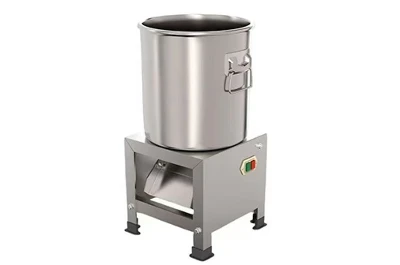
Now, for the main event: can a hay chopper chop straw? Short answer? Mostly, but it depends on which hay chopper we’re talking about, and what you’re actually using the chopped product for. Let’s start with how a standard hay chopper works—most of the ones we sell at our shop are built for processing fresh or dried hay, which is relatively soft, fibrous, and has some give to it. These hay choppers (you can check out the full lineup here: Hay Chopper) use rotating blades or a set of sharp beaters to tear hay into small, uniform pieces, usually for mixing into feed, making hay cubes, or adding to bedding.
Straw, though, is way drier, stiffer, and more brittle than hay. It’s got that dry, hollow stalk structure that can splinter instead of getting chopped clean if the blades aren’t right, or if the machine isn’t designed to handle that rigid material. Here’s where a lot of people mess up: if you use a basic, entry-level hay chopper that’s made exclusively for soft hay, you might end up with uneven chunks of straw, or even jam the machine because the stiff stalks get tangled around the blades or rotor. I’ve had a customer last month bring in his entry-level home hay chopper that was totally jammed after he tried to chop straw for his goat bedding—turns out the blades on that model are set too low, and they couldn’t bite through the dry straw without getting overwhelmed.
But wait—don’t write off all hay choppers just yet. Our line of hay choppers, for example, has adjustable blade gaps and reinforced rotors that work pretty well for light straw chopping, as long as you’re not trying to process hundreds of pounds at a time. If you’ve got a small homestead, like 5-10 goats or a couple of horses, and you just need to chop straw for bedding or a small feed add-on, a standard hay chopper can do the job, but with a few caveats. Let’s get into the pros and cons here, so you know exactly what to expect.
First, the upsides of using a hay chopper for straw. For small-scale use, it’s convenient—if you already own a hay chopper, you don’t have to buy a separate straw-specific tool, which saves money. The resulting chopped straw is pretty uniform, which is great if you’re mixing it with hay for feed, or if you want consistent bedding that doesn’t have big, awkward stalks sticking out. Also, if you have a heavy-duty hay chopper—like our mid-sized commercial model—those have more power and sturdier parts that can handle dry straw without jamming as much. I tested this last fall when I needed to chop some leftover wheat straw for the shop’s goat pen bedding; I ran a 50-pound bale through our heavy hay chopper, and it came out in nice 2-3 inch pieces, no splinters, no jam. Worked like a charm for that small batch.
Now, the downsides, and these are the ones that make me tell people to think twice before relying solely on a hay chopper for all their straw needs. First, jamming is still a risk—even with heavy-duty models, if you feed the straw too fast, or if the stalks are extra dry and brittle, they can get tangled in the rotor. I always tell people to feed straw in small, slow batches, not dump a whole bale in at once. Second, uneven cutting: basic hay choppers are set up to handle hay’s flexibility, so they might not cut straw as consistently as a tool built specifically for it. You could end up with some pieces that are too long (great for bedding if that’s what you want, but not so great if you need short straw for feed) and some that are fine, dusty bits of splintered straw, which can irritate livestock’s mouths or lungs if you’re using it in feed. Third, wear and tear: straw is more abrasive than hay, so it can dull the hay chopper’s blades faster, especially the sharp edges that are designed for softer material. I recommend sharpening the blades on your hay chopper before trying to chop straw, and checking them regularly after processing batches of dry material.
Wait, let’s also talk about when a hay chopper is definitely NOT the best for straw. If you’re dealing with large-scale operations—like a farm with hundreds of cattle, or a business that sells chopped straw bedding—you’re going to want a tool built for that specific job. That’s where a silage chopper or a dedicated forage chopper comes in. A silage chopper (check it out here: Silage Chopper) is built to handle tough, dry stalks like straw, with heavier blades, higher power, and mechanisms that prevent tangling and splintering. It’ll process straw faster, more uniformly, and won’t wear out your parts as quickly as a hay chopper would. Same goes for a mini forage chopper—wait, our Mini Forage Chopper is actually a middle ground, right? It’s small enough for homestead use, but built with sturdier parts than a basic hay chopper, so it handles both hay and straw really well. And if you’re just a backyard hobbyist with a few chickens or a couple of sheep, the Household Forage Chopper is made for small batches of all kinds of forage, including straw, without breaking the bank.
Let’s circle back to that original customer I mentioned earlier—he was using a basic household hay chopper to chop straw, got it jammed, and was ready to buy a whole new machine. After explaining the differences, we tried a few tricks: he sharpened his hay chopper blades, fed the straw in 5-pound batches instead of dumping the whole bale, and adjusted the blade gap to be a little wider (so the dry straw didn’t get stuck between the blades). It worked! He ended up with perfect chopped straw for his goat bedding, no more jams. The key here was that he didn’t just take the tool out of the box and expect it to do something it wasn’t exactly designed for—he made small adjustments to match the material.
Another thing to consider: what you’re using the chopped straw for. If you’re just using it for bedding, minor unevenness or a few splinters aren’t a big deal—goats and horses don’t care, as long as it’s soft enough. But if you’re adding chopped straw to livestock feed (it’s a good source of roughage for ruminate animals like cows and sheep), you need it to be uniformly short, and free of splinters, because those sharp bits can cause digestive issues or mouth irritation. In that case, a hay chopper might not cut it as well as a dedicated straw chopper or a mini forage chopper that’s built for consistent cutting.


I get it, investing in new gear can be a pain, especially when you already have a hay chopper that works great for your hay needs. But here’s the thing: knowing what your tool can and can’t do saves you time, money, and headaches in the long run. If you only need to chop straw occasionally, for small batches, your existing hay chopper can do the job with a few tweaks. But if you’re processing straw regularly, or for feed, it might be worth looking into a tool that’s built for that specific material, to avoid wear and tear on your hay chopper, and get a better final product.
At the end of the day, there’s no one-size-fits-all answer here. I’ve seen homesteaders get great results chopping small amounts of straw with their hay choppers, and I’ve seen commercial farms ruin entry-level hay choppers by trying to process tons of straw at once. The takeaway points are: 1) Straw and hay are different materials, so adjust your approach accordingly, 2) Entry-level hay choppers work for small, occasional straw use if you tweak the blades and feed slowly, 3) Heavy-duty hay choppers or tools like mini forage choppers work better for more frequent use, and 4) For large-scale or feed-grade straw, a dedicated silage or straw chopper is your best bet.
If you’re still on the fence about whether your current hay chopper can handle straw, or you’re looking to upgrade and want to compare all the options, feel free to reach out to our team. We can walk you through the specs of our hay choppers, mini forage choppers, household models, and silage choppers to figure out what fits your needs, whether you’re a backyard hobbyist or a commercial farmer. No pressure, just honest advice, since we’ve been in this game long enough to know what works and what doesn’t.
Don’t overcomplicate it—just match your tool to the material and the job, and you’ll have perfectly chopped hay, straw, or whatever forage you need, without the headaches.
References
- "Forage and Straw Processing Equipment: A Guide for Small-Scale Livestock Producers." USDA Natural Resources Conservation Service, 2022.
- "Differences Between Hay and Straw: Nutritional and Functional Properties." American Forage and Grassland Council, 2021.
- "Maintenance Tips for Feed Processing Choppers." Agricultural Engineering Today, 2023.


