

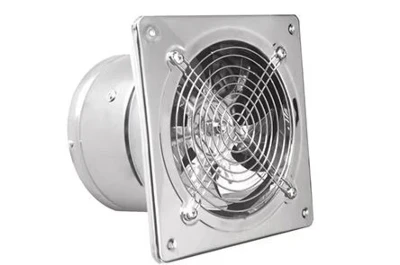

With the continuous growth of HVAC systems, building ventilation projects, and industrial air management demands, aluminum foil ducts are widely used as efficient flexible ventilation materials across multiple industries. For international buyers, understanding their main applications helps better match products with different engineering scenarios.
In HVAC systems, aluminum foil ducts are mainly used for air transmission and connection. They connect air conditioning units with supply and return outlets, ensuring efficient delivery of cooled or heated air and maintaining stable indoor temperature distribution and air circulation.
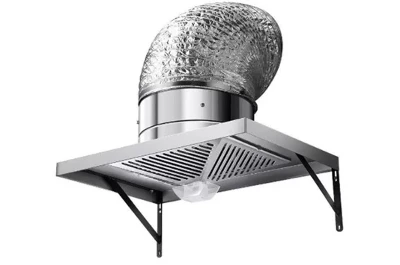
In kitchen exhaust systems, aluminum foil ducts are essential components for range hood ventilation. Their heat resistance and flexible structure allow them to quickly discharge smoke and hot air outdoors, improving kitchen air quality in residential homes, restaurants, and hotel kitchens.
In fresh air and ventilation systems, aluminum foil ducts are used as air exchange channels between indoor and outdoor environments. By connecting fresh air units, they help introduce clean air and remove stale air, improving indoor air quality in residential buildings, offices, and public facilities.
In industrial ventilation and exhaust systems, aluminum foil ducts are used for removing waste gases, dust, and high-temperature air from workshops. Their flexible structure adapts to complex equipment layouts, improving ventilation efficiency and workplace safety.
In commercial buildings and public facilities such as shopping malls, hospitals, airports, and hotels, aluminum foil ducts are widely used in central air conditioning and centralized ventilation systems, ensuring stable airflow and enhanced comfort in large spaces.
In agriculture and greenhouse environments, aluminum foil ducts are used for air circulation and temperature-humidity control systems, helping maintain stable growing conditions and improving crop yield and quality.
In temporary structures and mobile facilities, aluminum foil ducts are widely used for temporary ventilation and exhaust systems due to their expandable and easy-to-install features, such as exhibition halls, event tents, and mobile housing units.
In residential and home ventilation systems, aluminum foil ducts are commonly used for bathroom exhaust, kitchen local ventilation, and fresh air system connections, offering easy installation and low cost advantages.
With the development of green building and energy-saving concepts, the application scope of aluminum foil ducts continues to expand, evolving toward higher performance, improved sealing, and multifunctional integration.


