
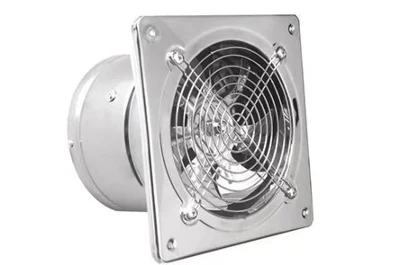
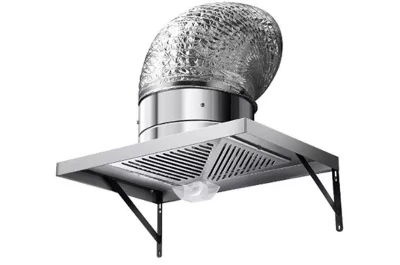

As global industrialization accelerates and building standards continue to improve, exhaust fans are increasingly used as essential air regulation devices across a wide range of applications. For international buyers, understanding the main uses of exhaust fans helps better align ventilation solutions with different project requirements.
The most basic application of exhaust fans is improving indoor air quality. By continuously removing stale air and bringing in fresh air, exhaust fans effectively reduce odors, dust, and harmful gas concentrations, creating a cleaner and healthier environment. This application is widely used in residential, commercial, and industrial settings.
In industrial environments, exhaust fans are mainly used for workshop ventilation and waste gas extraction. Processes such as machining, electronics manufacturing, and chemical production generate significant heat, smoke, and dust. Without proper ventilation, these pollutants can affect production safety and efficiency. Exhaust fans help maintain stable working conditions through efficient air circulation.
In commercial buildings, exhaust fans are commonly used in restaurants, hotels, office buildings, and shopping malls. Kitchen areas require effective removal of smoke and high temperatures, while office environments prioritize comfort and low-noise operation to enhance both work and customer experience.
Residential applications are also an important segment. Kitchens and bathrooms often require continuous ventilation due to high humidity and odors, helping prevent mold growth and indoor air pollution. Small exhaust fans also contribute to overall living comfort.
In agriculture and livestock farming, exhaust fans are used for greenhouse ventilation and animal housing climate control. By regulating temperature and humidity, they help create more stable growth conditions, improving yield and survival rates.
Exhaust fans are also widely used in warehouse and logistics facilities to control temperature and humidity levels, preventing goods from being damaged by moisture or excessive heat and ensuring safe storage conditions.
With the development of smart technologies, modern exhaust fans are increasingly integrated into intelligent building systems, using sensors for automatic control to achieve more precise and efficient ventilation.
In the future, as global demand for energy efficiency and improved air quality continues to grow, the applications of exhaust fans will continue to expand, with a stronger focus on energy-saving performance and intelligent control systems.


