

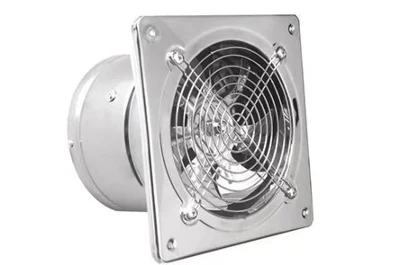
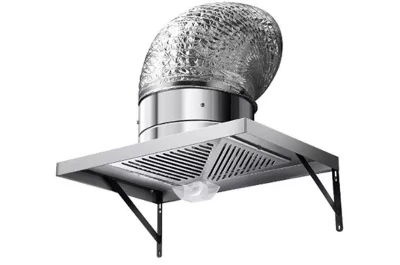

As exhaust fans are widely used in industrial, commercial, and residential environments, proper maintenance has become essential for ensuring long-term stable operation. For international buyers and end users, understanding correct maintenance practices helps improve ventilation efficiency while reducing failure rates and operating costs.
The first and most important maintenance step is regular cleaning. During long-term operation, dust, grease, and industrial particles can accumulate on fan blades, protective grilles, and housings. These deposits reduce airflow efficiency and increase motor load. Regular cleaning helps maintain stable airflow and reduce energy consumption.
Motor maintenance is a critical factor in ensuring stable performance. Users should regularly check for abnormal noise, overheating, or excessive vibration. For industrial exhaust fans, bearing lubrication should also be inspected and replenished when necessary to extend motor lifespan.
Electrical system inspection is equally important. Long-term use may lead to cable aging or poor connections, which can affect operational safety. Regularly checking power connections and ensuring stable voltage helps prevent short circuits and equipment damage.
Fan blade balance and structural condition should also be checked during maintenance. If dust buildup or deformation causes imbalance, it may result in vibration and increased noise. Timely adjustment or replacement of blades helps restore normal operation.
In industrial environments, exhaust fans often operate under heavy loads, making a scheduled maintenance plan essential. Depending on usage frequency, a comprehensive inspection should be carried out every quarter or every six months to ensure continuous efficient performance.
Cleaning the surrounding installation environment should not be overlooked. Keeping air inlets and outlets clear of obstructions improves ventilation efficiency. It is also important to avoid prolonged operation in highly corrosive or dusty environments without proper cleaning.
With the development of smart exhaust fans, some modern systems include real-time monitoring functions that provide feedback on temperature, rotation speed, and operational status. These intelligent features help users manage maintenance more accurately and improve equipment reliability.
In the future, as energy-saving and environmental protection concepts continue to expand, standardized, scheduled, and intelligent maintenance methods will become a key trend in the exhaust fan industry, further extending equipment lifespan and improving overall operational efficiency.


